Automate and Control LTD

Blog

  • Hyperspectral Imaging Combating Food Fraud

    Top 10 food fraud cases + 30 more examples

    Food fraud is a growing concern in the food industry, with reports indicating that it costs the industry billions of dollars annually. Food fraud occurs when food products are intentionally mislabeled, substituted, diluted, or misrepresented, often for economic gain. This not only poses a significant risk to consumers’ health but also undermines the integrity of the food supply chain. Fortunately, new technologies such as hyperspectral food inspection bioClass® systems from Automate and Control could have helped prevent this problem from occurring.

    Hyperspectral imaging is a non-destructive technique that uses light to create an image of an object, allowing for the identification of substances based on their spectral characteristics. In food inspection, hyperspectral imaging can be used to detect and classify the chemical composition of food products, allowing for the identification of any adulteration or contamination.

    One example of food fraud that could have been prevented with hyperspectral food inspection bioClass® systems is the case of olive oil fraud. Olive oil is a high-value product, making it a target for fraudsters who dilute it with cheaper oils, such as soybean or sunflower oil, and mislabel it as high-quality olive oil. This practice not only defrauds consumers but also undermines the integrity of the entire industry.

    Using hyperspectral imaging, it is possible to detect the chemical composition of olive oil and differentiate between different oils, including the presence of any contaminants. This would allow for the detection of any adulteration or dilution of olive oil, ensuring that consumers receive only high-quality, authentic products.

    Another example of food fraud that could have been prevented using hyperspectral food inspection bioclass systems is the case of honey fraud. Honey is often adulterated with cheap sugars, such as corn syrup or rice syrup, and mislabeled as pure honey. This practice not only defrauds consumers but also poses a risk to their health, as these added sugars may contain harmful contaminants.

    Using hyperspectral imaging, it is possible to detect the chemical composition of honey and differentiate between pure honey and adulterated honey. This would ensure that consumers receive only high-quality, authentic honey products, reducing the risk of harm to their health.

    In conclusion, food fraud is a growing concern in the food industry, with significant economic and health implications. Fortunately, new technologies such as hyperspectral food inspection bioClass® systems from automate and control could help prevent this problem from occurring. By using hyperspectral imaging to detect and classify the chemical composition of food products, it is possible to identify any adulteration or contamination, ensuring that consumers receive only high-quality, authentic products.
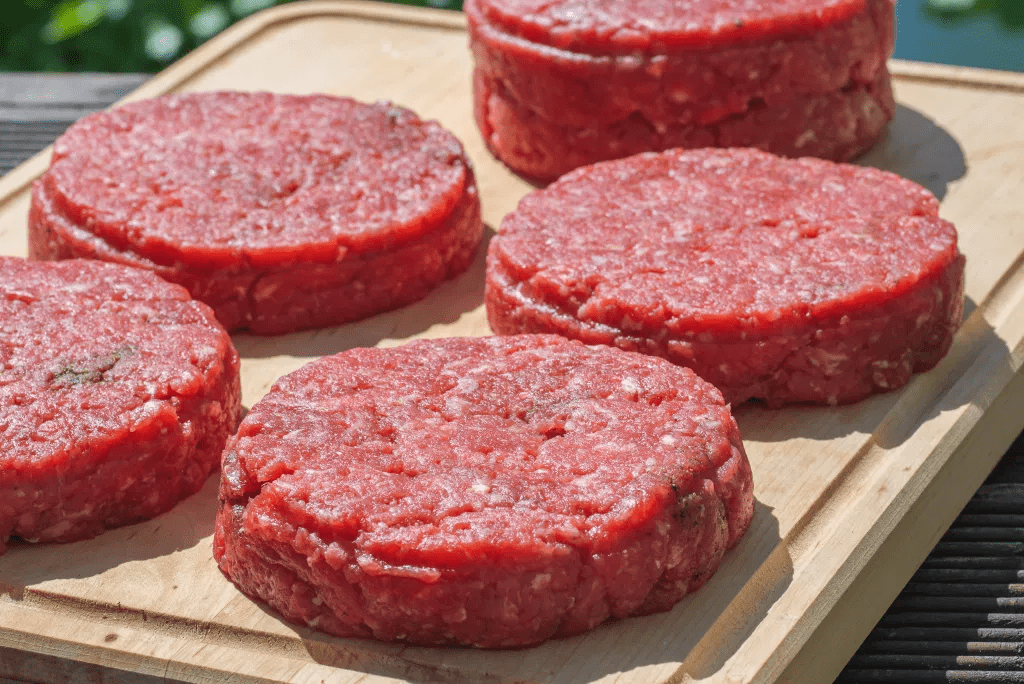
    Horse Meat Scandle Hyperspectral Imaging
    Horse Meat Scandal Hyperspectral Imaging
    1. “Horse Meat Scandal” – in 2013, it was discovered that many meat products labeled as beef contained horse meat, prompting a scandal across Europe.
    2. “Olive Oil Fraud” – olive oil is a high-value product that is often diluted with cheaper oils, such as soybean or sunflower oil, and mislabeled as high-quality olive oil.
    3. “Honey Fraud” – honey is often adulterated with cheap sugars, such as corn syrup or rice syrup, and mislabeled as pure honey.
    4. “Seafood Fraud” – seafood is often mislabeled as a more expensive species to increase profits, and may also be substituted with cheaper or lower-quality species.
    5. “Organic Food Fraud” – organic foods are often mislabeled as organic when they are not, or are labeled with false organic certifications.
    6. “Milk Fraud” – milk is often adulterated with water or other substances to increase profits, and may also be mislabeled as a higher-fat content milk.
    7. “Wine Fraud” – wine is often counterfeited or mislabeled as a more expensive vintage to increase profits.
    8. “Maple Syrup Fraud” – maple syrup is often adulterated with cheaper syrups, such as corn syrup or cane syrup, and mislabeled as pure maple syrup.
    9. “Spice Fraud” – spices are often diluted with cheaper ingredients, such as cornstarch or flour, and mislabeled as pure spices.
    10. “Coffee Fraud” – coffee is often mixed with cheaper beans or other substances to increase profits, and may also be mislabeled as a higher-quality coffee.
    bioClass® application coffee
    Coffee beans ready for food fraud inspection with – bioClass®

    These are just a few examples of the many food fraud cases that have been reported. It is important for consumers to be aware of food fraud and to purchase products from reputable sources. Additionally, technology such as hyperspectral food inspection bioClass® systems from automate and control can help prevent food fraud by detecting and classifying the chemical composition of food products, ensuring that consumers receive only high-quality, authentic products.

    The Horse Meat Scandal

    In 2013, a scandal shook the European food industry when it was discovered that many meat products labeled as beef actually contained horse meat. This revelation not only caused outrage among consumers but also highlighted the need for improved food safety measures. Fortunately, hyperspectral inspection systems from Automate and Control could prevent such food fraud in the future.

    The Horse Meat Scandal first came to light in January 2013, when food safety authorities in Ireland discovered horse meat in beef products sold by several major retailers. The investigation quickly spread across Europe, and it was found that horse meat had been present in processed meat products sold in 13 different countries.

    The scandal exposed the complex supply chain of the meat industry, where products are often sourced from different countries and suppliers before reaching consumers. It also highlighted the potential for fraud and mislabeling, as meat products can be easily swapped or substituted for cheaper alternatives without detection.

    The discovery of horse meat in beef products not only raised ethical concerns but also posed potential health risks, as horses are often treated with drugs that are not approved for use in food animals. The scandal resulted in recalls of millions of meat products and loss of consumer trust in the food industry.

    Hyperspectral Inspection Systems

    To prevent food fraud and ensure food safety, the food industry needs advanced inspection systems that can detect the presence of contaminants and provide accurate information about the composition and quality of food products. This is where hyperspectral inspection systems from Automate and Control come in.

    Hyperspectral imaging technology uses a combination of spectroscopy and imaging to provide detailed information about the chemical and physical properties of food products. The system analyzes the unique spectral signature of each food product and compares it to a database of known spectra to identify any contaminants or adulterants.

    Automate and Control offers a range of hyperspectral inspection systems for the food industry, including the bioClass® C series, which is specifically designed for food quality control and safety. The system can be used for real-time monitoring of food products, including meats, vegetables, fruits, and grains, and can detect the presence of foreign materials, such as plastics, metals, and glass.

    The bioClass® C series also has the ability to identify different types of meat and meat products, including beef, pork, chicken, and horse meat. This can help to prevent the mislabeling of meat products and ensure that consumers are getting what they paid for.

    Conclusion

    The Horse Meat Scandal was a wake-up call for the food industry, highlighting the need for improved food safety measures and better inspection systems to prevent fraud and ensure the quality of food products. Hyperspectral inspection systems from Automate and Control offer a reliable and accurate solution for detecting contaminants and adulterants in food products, including the mislabeling of meat products.

    As the food industry continues to evolve and face new challenges, it is important to adopt advanced inspection technologies like hyperspectral imaging to ensure that consumers can trust the products they buy. To learn more about hyperspectral inspection systems and how they can benefit your business, visit Automate and Control’s website at https://www.automateandcontrol.com/.

    The Problem of Olive Oil Fraud

    Olive oil is one of the most valuable and widely used culinary oils in the world. Unfortunately, the high demand and value of this product have led to fraudulent practices in the industry, including the dilution of olive oil with cheaper oils and mislabeling of the product. However, hyperspectral inspection systems from Automate and Control can prevent olive oil fraud and ensure the quality and purity of the product.

    Olive oil is a high-value product, and its production and distribution are heavily regulated to ensure quality and authenticity. Unfortunately, the high demand for olive oil has led to fraudulent practices in the industry, including the dilution of olive oil with cheaper oils, such as soybean or sunflower oil, and the mislabeling of the product.

    These fraudulent practices not only harm the consumer by providing them with lower quality products but also harm the olive oil industry by undermining the value and reputation of high-quality olive oil. Olive oil fraud also poses a risk to public health, as the cheaper oils used to dilute olive oil may contain harmful chemicals and contaminants.

    Hyperspectral Inspection Systems for Olive Oil Quality Control

    To prevent olive oil fraud and ensure the quality and purity of the product, the industry needs advanced inspection systems that can detect any contaminants or adulterants in the product. Hyperspectral inspection systems from Automate and Control offer a reliable and accurate solution for detecting fraudulent practices in the olive oil industry.

    The hyperspectral inspection system uses a combination of spectroscopy and imaging to provide detailed information about the chemical and physical properties of olive oil. The system analyzes the unique spectral signature of each sample and compares it to a database of known spectra to identify any adulterants or contaminants.

    Automate and Control’s bioClass® O series is specifically designed for olive oil quality control. The system can detect the presence of cheaper oils, such as soybean or sunflower oil, and can also detect any other contaminants or adulterants in the product. This helps to ensure the purity and authenticity of the olive oil product.

    The bioClass® O series can also be used for real-time monitoring of olive oil products during the production process. This allows producers to detect any issues early on and ensure that the final product meets the required standards and regulations.

    Conclusion

    Olive oil fraud is a serious problem in the industry, and it can have severe consequences for both consumers and producers. Fortunately, hyperspectral inspection systems from Automate and Control offer a reliable and accurate solution for detecting fraudulent practices and ensuring the quality and purity of the product.

    By adopting advanced inspection technologies like hyperspectral imaging, the olive oil industry can prevent fraud, ensure the quality of the product, and maintain consumer trust. To learn more about hyperspectral inspection systems and how they can benefit your business, visit Automate and Control’s website at https://www.automateandcontrol.com/.

    The Problem of Seafood Fraud

    Seafood is a popular and nutritious food choice around the world, but the industry is plagued by fraudulent practices such as seafood fraud. This practice involves mislabeling seafood products to increase profits, which not only deceives consumers but also undermines the sustainability of the industry. However, hyperspectral inspection systems from Automate and Control can prevent seafood fraud and ensure the quality and authenticity of the product.

    Seafood Fraud
    Raw mix seafood cocktail with shrimps, prawns, mussels, squids and octopus.

    Seafood fraud is a pervasive problem in the industry that involves misrepresenting seafood products to increase profits. This can take many forms, including mislabeling a lower-quality or cheaper species as a more expensive one, or selling seafood products that are entirely different from what is advertised.

    The fraudulent practices of seafood mislabeling and substitution not only deceive consumers, but they also pose risks to public health and the sustainability of the seafood industry. Mislabeling can lead to consumers consuming species they are allergic to, while substitution can lead to overfishing and endangerment of certain species.

    Hyperspectral Inspection Systems for Seafood Quality Control

    To prevent seafood fraud and ensure the authenticity and quality of the product, the seafood industry needs advanced inspection systems that can detect any mislabeling or substitution. Hyperspectral inspection systems from Automate and Control offer a reliable and accurate solution for detecting fraudulent practices in the seafood industry.

    The hyperspectral inspection system uses a combination of spectroscopy and imaging to provide detailed information about the chemical and physical properties of seafood products. The system analyzes the unique spectral signature of each sample and compares it to a database of known spectra to identify any adulterants or contaminants.

    Automate and Control’s bioClass® S series is specifically designed for seafood quality control. The system can detect the presence of cheaper or lower-quality species that have been substituted for more expensive or higher-quality ones, and can also detect any contaminants or adulterants in the product. This helps to ensure the authenticity and quality of the seafood product.

    The bioClass® S series can also be used for real-time monitoring of seafood products during the production process. This allows producers to detect any issues early on and ensure that the final product meets the required standards and regulations.

    Conclusion

    Seafood fraud is a serious problem in the industry, and it can have severe consequences for both consumers and producers. Fortunately, hyperspectral inspection systems from Automate and Control offer a reliable and accurate solution for detecting fraudulent practices and ensuring the quality and authenticity of the product.

    By adopting advanced inspection technologies like hyperspectral imaging, the seafood industry can prevent fraud, ensure the quality of the product, and maintain consumer trust. To learn more about hyperspectral inspection systems and how they can benefit your business, visit Automate and Control’s website at https://www.automateandcontrol.com/.

    Organic Food Fraud

    Organic food has become increasingly popular among health-conscious consumers, but the industry is plagued by fraudulent practices such as organic food fraud. This involves mislabeling conventionally grown foods as organic, or falsely certifying non-organic products as organic. However, hyperspectral inspection systems from Automate and Control can prevent organic food fraud and ensure the authenticity and quality of organic products.

    The Problem of Organic Food Fraud

    Organic food fraud

    Organic food fraud is a major problem in the industry, and it can take many forms. One common practice is to mislabel conventionally grown products as organic, thereby deceiving consumers and profiting from higher organic prices. Another practice is to falsely certify non-organic products as organic, either by creating fake organic certification documents or by using the certification of a different organic product.

    Organic food fraud not only undermines the trust of consumers in the organic food industry but also puts at risk the livelihood of honest farmers and producers who follow strict organic standards. Moreover, it poses a significant threat to public health, as non-organic products may contain harmful chemicals and pesticides that are not allowed in organic production.

    Hyperspectral Inspection Systems for Organic Food Quality Control

    To prevent organic food fraud and ensure the authenticity and quality of organic products, the industry needs advanced inspection systems that can detect any mislabeling or certification fraud. Hyperspectral inspection systems from Automate and Control offer a reliable and accurate solution for detecting fraudulent practices in the organic food industry.

    The hyperspectral inspection system uses a combination of spectroscopy and imaging to provide detailed information about the chemical and physical properties of organic products. The system analyzes the unique spectral signature of each sample and compares it to a database of known spectra to identify any adulterants or contaminants.

    Automate and Control’s bioClass® S series is specifically designed for organic food quality control. The system can detect the presence of non-organic substances in organic products, and can also detect any contaminants or adulterants in the product. This helps to ensure the authenticity and quality of organic food products.

    The bioClass® S series can also be used for real-time monitoring of organic products during the production process. This allows producers to detect any issues early on and ensure that the final product meets the required standards and regulations.

    Conclusion

    Organic food fraud is a significant problem in the industry, and it can have severe consequences for both consumers and producers. Fortunately, hyperspectral inspection systems from Automate and Control offer a reliable and accurate solution for detecting fraudulent practices and ensuring the quality and authenticity of organic products.

    By adopting advanced inspection technologies like hyperspectral imaging, the organic food industry can prevent fraud, ensure the quality of the product, and maintain consumer trust. To learn more about hyperspectral inspection systems and how they can benefit your business, visit Automate and Control’s website at https://www.automateandcontrol.com/.

    Milk Fraud

    Milk is a common household staple, but unfortunately, it is also one of the most adulterated food products. Milk fraud involves the deliberate adulteration of milk with water or other substances to increase profits, as well as the mislabeling of milk as a higher-fat content milk. However, hyperspectral inspection systems from Automate and Control can prevent milk fraud and ensure the quality and authenticity of milk products.

    The Problem of Milk Fraud

    Milk food fraud

    Milk fraud is a widespread problem in the industry, and it can take many forms. One common practice is to dilute milk with water, which increases the volume of milk and therefore the profit margins for producers. This practice is particularly prevalent in developing countries, where regulations may be lax and enforcement is weak.

    Another practice is to mislabel milk as a higher-fat content milk, such as whole milk, when it is actually a lower-fat content milk, such as skim milk. This is often done to sell the product at a higher price point and deceive consumers who prefer higher-fat content milk.

    Milk fraud not only harms consumers by exposing them to inferior or adulterated products but also puts the livelihood of honest farmers and producers at risk. Moreover, it poses a significant public health risk, as adulterated milk may contain harmful contaminants or pathogens.

    Hyperspectral Inspection Systems for Milk Quality Control

    To prevent milk fraud and ensure the quality and authenticity of milk products, the industry needs advanced inspection systems that can detect any adulteration or mislabeling. Hyperspectral inspection systems from Automate and Control offer a reliable and accurate solution for detecting fraudulent practices in the milk industry.

    The hyperspectral inspection system uses a combination of spectroscopy and imaging to provide detailed information about the chemical and physical properties of milk. The system analyzes the unique spectral signature of each sample and compares it to a database of known spectra to identify any adulterants or contaminants.

    Automate and Control’s bioClass® M series is specifically designed for milk quality control. The system can detect the presence of water or other substances in milk, and can also determine the fat content of the milk. This helps to ensure the authenticity and quality of milk products.

    The bioClass® M series can also be used for real-time monitoring of milk products during the production process. This allows producers to detect any issues early on and ensure that the final product meets the required standards and regulations.

    Conclusion

    Milk fraud is a serious problem in the industry, and it can have severe consequences for both consumers and producers. Fortunately, hyperspectral inspection systems from Automate and Control offer a reliable and accurate solution for detecting fraudulent practices and ensuring the quality and authenticity of milk products.

    By adopting advanced inspection technologies like hyperspectral imaging, the milk industry can prevent fraud, ensure the quality of the product, and maintain consumer trust. To learn more about hyperspectral inspection systems and how they can benefit your business, visit Automate and Control’s website at https://www.automateandcontrol.com/.

    Wine Fraud

    Wine is a beverage that is enjoyed by many, but unfortunately, it is also one of the most commonly counterfeited food products. Wine fraud involves the production and sale of counterfeit wines, as well as the mislabeling of wine as a more expensive vintage to increase profits. However, hyperspectral inspection systems from Automate and Control can prevent wine fraud and ensure the quality and authenticity of wine products.

    The Problem of Wine Fraud

    Wine and alcohol fraud

    Wine fraud is a significant problem in the industry, and it can take many forms. One common practice is to produce counterfeit wines by blending cheap wine with small amounts of a more expensive wine or using artificial flavoring to mimic the taste of a more expensive vintage. This is often done to sell the wine at a higher price point and deceive consumers who are willing to pay a premium for a high-quality wine.

    Another practice is to mislabel wine as a more expensive vintage, such as labeling a wine as a 1982 vintage when it is actually a much cheaper and younger wine. This is often done to sell the wine at a higher price point and deceive consumers who are willing to pay a premium for a rare and high-quality vintage.

    Wine fraud not only harms consumers by exposing them to inferior or counterfeit products but also puts the livelihood of honest winemakers and producers at risk. Moreover, it can damage the reputation of the wine industry as a whole and erode consumer trust in the authenticity of wine products.

    Hyperspectral Inspection Systems for Wine Quality Control

    To prevent wine fraud and ensure the quality and authenticity of wine products, the industry needs advanced inspection systems that can detect any counterfeiting or mislabeling. Hyperspectral inspection systems from Automate and Control offer a reliable and accurate solution for detecting fraudulent practices in the wine industry.

    The hyperspectral inspection system uses a combination of spectroscopy and imaging to provide detailed information about the chemical and physical properties of wine. The system analyzes the unique spectral signature of each sample and compares it to a database of known spectra to identify any counterfeit wines or mislabeled vintages.

    Automate and Control’s bioClass® W series is specifically designed for wine quality control. The system can detect the presence of counterfeit wines, as well as any additives or artificial flavoring. Additionally, the system can also determine the chemical composition of wine, such as the alcohol content, acidity, and sugar levels, which are important factors in determining the quality of the wine.

    The bioClass® W series can also be used for real-time monitoring of wine products during the production process. This allows producers to detect any issues early on and ensure that the final product meets the required standards and regulations.

    Conclusion

    Wine fraud is a serious problem in the industry, and it can have severe consequences for both consumers and producers. Fortunately, hyperspectral inspection systems from Automate and Control offer a reliable and accurate solution for detecting fraudulent practices and ensuring the quality and authenticity of wine products.

    By adopting advanced inspection technologies like hyperspectral imaging, the wine industry can prevent fraud, ensure the quality of the product, and maintain consumer trust. To learn more about hyperspectral inspection systems and how they can benefit your business, visit Automate and Control’s website at https://www.automateandcontrol.com/.

    What is Maple Syrup Fraud?

    maple-syrup-harvesting-from-tree food fraud
    Maple Syrup food fraud

    Maple syrup is a popular and beloved sweetener that is often used in breakfast foods such as pancakes, waffles, and oatmeal. However, not all maple syrup is created equal. Maple syrup fraud is a growing problem in the industry, with some producers cutting corners and selling subpar products to unsuspecting customers. In this article, we will take a closer look at maple syrup fraud and how hyperspectral inspection systems from https://www.automateandcontrol.com/ can prevent this.

    Maple syrup fraud occurs when producers of maple syrup dilute their products with cheaper syrups such as corn syrup or cane syrup and then mislabel them as pure maple syrup. Pure maple syrup is made by boiling down the sap of maple trees and is a labor-intensive process that results in a premium product. However, some unscrupulous producers see an opportunity to increase their profits by adding cheaper syrups to their products and passing them off as pure maple syrup.

    Maple syrup fraud not only cheats consumers out of their money but also hurts the legitimate maple syrup industry. It undermines the quality of the product and the hard work of honest producers who adhere to strict production standards. Maple syrup fraud can also harm the environment as producers may over-tap trees to increase their profits, which can lead to long-term damage to the trees and the ecosystem.

    How Hyperspectral Inspection Systems Can Prevent Maple Syrup Fraud

    Hyperspectral inspection systems from https://www.automateandcontrol.com/ can play a crucial role in preventing maple syrup fraud. These systems use advanced imaging technology to analyze the chemical composition of food products and identify any discrepancies in the product’s ingredients.

    For example, hyperspectral inspection systems can analyze the sugar content of maple syrup and identify any additives such as corn syrup or cane syrup. They can also detect any other contaminants, such as pesticides or heavy metals, that may be present in the syrup.

    Hyperspectral inspection systems are highly accurate and can detect even small variations in the chemical composition of food products. They can also operate in real-time, providing immediate feedback to producers and allowing them to take corrective action if necessary.

    By implementing hyperspectral inspection systems from https://www.automateandcontrol.com/, maple syrup producers can ensure that their products are of the highest quality and that they are not committing fraud. They can also gain a competitive advantage by offering customers a premium product that is free from contaminants and additives.

    Conclusion

    Maple syrup fraud is a serious problem that undermines the quality of the product and the integrity of the industry. However, with the use of advanced imaging technology such as hyperspectral inspection systems from https://www.automateandcontrol.com/, producers can ensure that their products are pure and free from contaminants. These systems provide a powerful tool for detecting maple syrup fraud and other food frauds, protecting both consumers and the industry as a whole.

    Spice Fraud

    Spices are an essential part of our daily diet, used to enhance the flavors and aromas of our favorite dishes. However, as with many other food products, the spice industry is also vulnerable to fraud. Spice fraud is the practice of misrepresenting spices’ quality or identity by diluting them with cheaper ingredients, such as cornstarch, flour, or other fillers, and mislabeling them as pure spices. This practice not only deceives consumers but also harms the spice industry’s integrity and reputation. Fortunately, hyperspectral inspection systems from https://www.automateandcontrol.com/ can prevent this type of food fraud.

    Spice fraud is a widespread problem in the food industry, and it can affect a wide range of spices, including black pepper, turmeric, cumin, cinnamon, and more. In many cases, the adulteration of spices is difficult to detect with the naked eye, and some unscrupulous vendors take advantage of this to sell inferior products at higher prices. For instance, a batch of high-quality cinnamon sticks can be mixed with cassia bark, which is less expensive, and ground to create a cheaper, less potent cinnamon powder. Similarly, some turmeric powders may contain lead chromate, a toxic substance, to enhance their color and make them appear more vibrant.

    Spice food fraud

    Hyperspectral inspection systems are a reliable tool for detecting spice fraud. These systems use hyperspectral imaging technology, which captures images in multiple wavelengths, allowing them to identify and quantify the chemical composition of the sample being tested. By analyzing the spectra of various spices, hyperspectral inspection systems can identify and differentiate between pure spices and adulterated ones.

    The use of hyperspectral inspection systems can help prevent spice fraud in various ways. Firstly, they can be used to verify the authenticity of spices by comparing their chemical composition with a reference database of pure spices. Secondly, hyperspectral inspection systems can detect the presence of fillers or other adulterants in the spices. By doing so, they can prevent the use of toxic or harmful substances in food products, ensuring that they meet safety and quality standards. Finally, hyperspectral inspection systems can also help ensure that spice products are accurately labeled, providing consumers with the information they need to make informed choices.

    At https://www.automateandcontrol.com/, we offer hyperspectral inspection systems that are specifically designed for food quality control. Our systems use advanced imaging technology to analyze the chemical composition of food products quickly and accurately, providing real-time results. They are easy to use and can be integrated into existing production lines, making them an ideal solution for food manufacturers and processors.

    In conclusion, spice fraud is a serious issue that affects consumers, the spice industry, and the integrity of the food supply chain. The use of hyperspectral inspection systems from https://www.automateandcontrol.com/ can help prevent spice fraud by detecting adulterants and verifying the authenticity of spice products. With these systems, we can ensure that consumers get what they pay for – pure and high-quality spices.

    Coffee Fraud

    Coffee is one of the world’s most popular beverages, with millions of people around the globe starting their day with a cup of coffee. However, the coffee industry is not without its fair share of fraud. Coffee fraud occurs when lower-quality beans are mixed with higher-quality ones or when the origin of the coffee is misrepresented. This is done to increase profits, as higher-quality coffee is more expensive. In this article, we will explore the issue of coffee fraud and how hyperspectral inspection systems from https://www.automateandcontrol.com/ can prevent it.

    What is Coffee Fraud?

    Pouring roasted coffee beans from the machine food fraud

    Coffee fraud can take several forms. One common form is blending lower-quality beans with higher-quality ones to create a coffee that is still drinkable but not as high-quality as the pure product. Another form of coffee fraud is misrepresenting the origin of the coffee. This can involve labeling coffee as coming from a certain region when it is actually from another region, or even from a completely different country. This misrepresentation can be done to increase the perceived value of the coffee and make it more expensive.

    Why is Coffee Fraud a Problem?

    Coffee fraud is a problem for several reasons. Firstly, it is deceptive to consumers, who may believe they are buying a higher-quality product than they actually are. This can lead to disappointment and a loss of trust in the coffee industry. Secondly, coffee fraud can harm small-scale coffee farmers who rely on selling their high-quality beans to make a living. When lower-quality beans are blended with their beans, it can drive down the price of their product, making it harder for them to make a profit. Finally, coffee fraud can also impact the environment, as the lower-quality beans used in the blends may come from unsustainable farming practices.

    How Can Hyperspectral Inspection Systems Prevent Coffee Fraud?

    Hyperspectral inspection systems from https://www.automateandcontrol.com/ can be used to prevent coffee fraud by analyzing the spectral characteristics of coffee beans. These systems use a combination of imaging and spectroscopy to identify the chemical composition of the beans. By analyzing the chemical composition, the system can determine the quality of the beans and whether they have been blended with lower-quality beans or other substances.

    Hyperspectral inspection systems can also be used to verify the origin of the coffee. By analyzing the spectral characteristics of the beans, the system can determine the region where they were grown. This can help prevent mislabeling and misrepresentation of the origin of the coffee.

    In addition to preventing fraud, hyperspectral inspection systems can also be used to improve the overall quality of the coffee. By analyzing the chemical composition of the beans, the system can identify any defects or impurities in the coffee. This information can be used to improve the quality of the coffee and ensure that only the highest-quality beans are used in the final product.

    Conclusion

    Coffee fraud is a problem that can harm consumers, small-scale coffee farmers, and the environment. However, hyperspectral inspection systems from https://www.automateandcontrol.com/ can be used to prevent fraud and improve the overall quality of the coffee. By analyzing the chemical composition of the beans, these systems can identify any impurities or lower-quality beans, ensuring that only the highest-quality beans are used in the final product.

    30 More Common Types of Food Fraud

    Food Fraud Detection
    Food Fraud Detection

    “Parmesan Cheese Fraud” – Parmesan cheese is often mislabeled and may contain fillers such as cellulose.

    “Saffron Fraud” – Saffron is often adulterated with cheaper spices or synthetic dyes.

    “Pomegranate Juice Fraud” – Pomegranate juice is often diluted with cheaper fruit juices and mislabeled as 100% pomegranate juice.

    “Black Pepper Fraud” – Black pepper is often adulterated with cheaper pepper substitutes, such as papaya seeds or sawdust.

    “Vanilla Fraud” – Vanilla is often adulterated with cheaper extracts, such as synthetic vanillin.

    “Chili Powder Fraud” – Chili powder is often diluted with cheaper fillers, such as flour or cornmeal.

    “Fish Oil Fraud” – Fish oil is often mislabeled as a higher-quality species or adulterated with cheaper oils.

    “Tea Fraud” – Tea is often mixed with cheaper tea leaves or other substances to increase profits.

    “Lemon Juice Fraud” – Lemon juice is often diluted with water or other cheaper fruit juices.

    “Balsamic Vinegar Fraud” – Balsamic vinegar is often diluted with cheaper vinegars or other ingredients.

    “Cinnamon Fraud” – Cinnamon is often adulterated with cheaper substitutes, such as cassia bark.

    “Kobe Beef Fraud” – Kobe beef is often mislabeled as a lower-quality beef.

    “Blueberries Fraud” – Blueberries are often substituted with cheaper fruits or artificial colors.

    “Ginger Fraud” – Ginger is often adulterated with cheaper substitutes, such as turmeric or cassava.

    “Chicken Fraud” – Chicken is often mislabeled as a higher-quality or organic product.

    “Peppermint Oil Fraud” – Peppermint oil is often adulterated with cheaper oils or synthetic compounds.

    “Garlic Fraud” – Garlic is often mislabeled as a higher-quality or organic product.

    “Truffle Oil Fraud” – Truffle oil is often mislabeled as containing real truffles, when it actually contains synthetic flavors.

    “Agave Syrup Fraud” – Agave syrup is often diluted with cheaper syrups or sugars.

    “Coconut Oil Fraud” – Coconut oil is often adulterated with cheaper vegetable oils.

    “Hazelnut Fraud” – Hazelnuts are often substituted with cheaper nuts or synthetic flavors.

    “Rice Fraud” – Rice is often mislabeled as a higher-quality or organic product.

    “Soy Sauce Fraud” – Soy sauce is often diluted with cheaper fillers, such as water or salt.

    “Wasabi Fraud” – Wasabi is often substituted with cheaper horseradish or synthetic flavors.

    “Caviar Fraud” – Caviar is often mislabeled as a higher-quality or more expensive product.

    “Almond Milk Fraud” – Almond milk is often diluted with water or other cheaper ingredients.

    “Pork Fraud” – Pork is often mislabeled as a higher-quality or organic product.

    “Rye Bread Fraud” – Rye bread is often mislabeled as containing 100% rye flour, when it actually contains wheat flour.

    “Sesame Oil Fraud” – Sesame oil is often diluted with cheaper oils or synthetic compounds.

    “Egg Fraud” – Eggs are often mislabeled as organic or free-range when they are not.

  • Hyperspectral Food Grading Sorting Inspection systems and their benefits to the food industry from Automate and Control LTD UK

    Fruit inspection, grading, and sorting systems.

    Fruit inspection, grading, and sorting systems have revolutionized the fruit industry, making it more efficient and cost-effective. These systems use various technologies such as hyperspectral imagery and RGB cameras to inspect, grade, and sort fruits. In this article, we will discuss the benefits of using hyperspectral imagery-based systems over competitors who only use RGB cameras.

    Inspection, Grading, and Sorting Systems:

    Inspection, grading, and sorting systems are used to classify fruits based on their quality, size, and shape. These systems are capable of inspecting a large number of fruits in a short time, reducing the need for manual inspection. These systems use various technologies such as cameras, lasers, and sensors to perform inspections.

    Benefits of Hyperspectral Imagery:

    Hyperspectral imagery is a technology that captures images of fruits in multiple wavelengths of light. This technology allows for the identification of subtle differences in the fruit’s color, texture, and chemical composition. The benefits of using hyperspectral imagery-based systems for fruit inspection, grading, and sorting include:

    1. Improved Accuracy: Hyperspectral imagery-based systems can identify defects and quality issues that are not visible to the naked eye or RGB cameras. This allows for more accurate grading and sorting, which results in higher quality fruits.
    2. Increased Efficiency: Hyperspectral imagery-based systems can inspect fruits at a faster rate than RGB cameras. This allows for more efficient grading and sorting, reducing labor costs and increasing productivity.
    3. Better Quality Control: Hyperspectral imagery-based systems can identify defects that may not be visible to RGB cameras, allowing for better quality control. This results in higher-quality fruits that meet consumer expectations.
    4. Reduced Waste: Hyperspectral imagery-based systems can identify fruits with defects that would be missed by RGB cameras. This allows for more accurate sorting, reducing the amount of waste and increasing profits.
    5. Improved Traceability: Hyperspectral imagery-based systems can identify the chemical composition of fruits. This allows for better traceability, ensuring that fruits meet regulatory requirements and consumer safety standards.

    Competitors Using RGB Cameras:

    Competitors who use RGB cameras for fruit inspection, grading, and sorting do not have the same level of accuracy and efficiency as hyperspectral imagery-based systems. RGB cameras can only capture images in three wavelengths of light, making it difficult to identify subtle differences in the fruit’s color, texture, and chemical composition. This results in lower accuracy and efficiency, increasing the risk of defects and waste.

    Conclusion:

    In conclusion, hyperspectral imagery-based systems offer several benefits over competitors who only use RGB cameras. These benefits include improved accuracy, increased efficiency, better quality control, reduced waste, and improved traceability. By using hyperspectral imagery-based systems for fruit inspection, grading, and sorting, fruit producers can ensure that they are producing high-quality fruits that meet consumer expectations and regulatory requirements.

    Date fruit inspection, grading, and sorting systems

    Our hyperspectral imagery-based sorting system for date fruits is designed to provide the highest level of accuracy, efficiency, and productivity to the date fruit industry. This system uses advanced hyperspectral imaging technology to analyze and sort date fruits based on their chemical composition, color, texture, and size.

    Palms near Dead Sea on the desert
    Palms near Dead Sea on the desert

    Benefits for the Date Fruit Industry:

    1. Improved Quality Control: Our hyperspectral imaging technology allows for the identification of defects, such as insect damage, mold, and color defects, that may not be visible to the naked eye or RGB cameras. This ensures that only high-quality date fruits are delivered to customers, which can increase customer satisfaction and loyalty.
    2. Increased Efficiency: Our system can inspect and sort date fruits at a faster rate than traditional sorting methods. This reduces labor costs and increases productivity, allowing for faster processing and delivery of date fruits to customers.
    3. Reduced Waste: Our system can identify date fruits with defects that would be missed by traditional sorting methods. This allows for more accurate sorting, reducing the amount of waste and increasing profits.
    4. Better Traceability: Our system can identify the chemical composition of date fruits, providing better traceability and ensuring that they meet regulatory requirements and consumer safety standards.
    5. Increased Profitability: By improving the quality, efficiency, and traceability of date fruits, our hyperspectral sorting system can help increase profitability for date fruit producers and processors.

    Other Potential Applications:

    In addition to the date fruit industry, our hyperspectral solutions can benefit other food industries. For example:

    1. Vegetable Sorting: Hyperspectral imaging can be used to sort vegetables, such as tomatoes and peppers, based on their ripeness, size, and defects.
    2. Meat Quality Control: Hyperspectral imaging can be used to inspect meat for defects, such as discoloration and contamination, ensuring that only high-quality meat products are delivered to customers.
    3. Grain Sorting: Hyperspectral imaging can be used to sort grains based on their moisture content, protein content, and foreign material.
    4. Dairy Product Quality Control: Hyperspectral imaging can be used to inspect dairy products, such as milk and cheese, for defects, such as contamination and spoilage.

    Conclusion:

    Our hyperspectral imagery-based sorting system for date fruits provides a wide range of benefits to the date fruit industry, including improved quality control, increased efficiency, reduced waste, better traceability, and increased profitability. Furthermore, the potential applications of hyperspectral solutions extend beyond the date fruit industry and can benefit other food industries, such as vegetable sorting, meat quality control, grain sorting, and dairy product quality control.

    Vegetable grading, inspection and sorting systems

    Hyperspectral vegetable sorting is a technique used to sort vegetables based on their chemical composition and physical characteristics. It involves the use of hyperspectral imaging technology, which can capture images of vegetables in the visible and near-infrared (NIR) regions of the electromagnetic spectrum.

    Hyperspectral imaging can be used to sort vegetables based on their ripeness, size, and defects. For example, it can be used to identify and sort tomatoes based on their ripeness, which is important for ensuring that tomatoes reach consumers at the optimal level of ripeness for taste and quality.

    bioClass® WHEN ONLY QUALITY MATTERS Hyperspectral Date Fruit Sorting / Grading Systems.

    Similarly, hyperspectral imaging can be used to sort peppers based on their size and color, ensuring that only high-quality peppers are delivered to customers. It can also be used to identify and sort out defective vegetables, such as those with mold, insect damage, or physical damage.

    One of the benefits of hyperspectral imaging for vegetable sorting is that it allows for non-destructive and non-contact inspection. This means that vegetables can be sorted without being damaged, which is important for maintaining their quality and shelf-life.

    Hyperspectral imaging can also provide better accuracy and consistency compared to traditional sorting methods, which rely on human inspectors. Human inspectors may miss defects that are not visible to the naked eye, or may be inconsistent in their inspections due to factors such as fatigue or differences in perception.

    Another benefit of hyperspectral imaging for vegetable sorting is that it can be used to identify and sort out vegetables based on their chemical composition. For example, it can be used to sort vegetables based on their sugar content, which is important for ensuring that vegetables have the desired level of sweetness.

    Hyperspectral imaging can also be used to identify and sort out vegetables based on their nutrient content. This is particularly important for the health food industry, where consumers are looking for vegetables that are high in certain nutrients, such as vitamins and minerals.

    Finally, hyperspectral imaging can provide better traceability and quality control for vegetable sorting. By identifying and sorting out defective vegetables, and ensuring that vegetables meet regulatory requirements and consumer safety standards, hyperspectral imaging can help improve the overall quality and safety of vegetables delivered to consumers.

    In summary, hyperspectral imaging is a powerful tool for sorting vegetables based on their chemical composition, physical characteristics, and defects. It provides a non-destructive and non-contact inspection method, and can provide better accuracy and consistency compared to traditional sorting methods. Additionally, it can be used to identify and sort out vegetables based on their nutrient content, providing better traceability and quality control for the vegetable industry.

    Hyperspectral inspection systems have the potential to revolutionize the meat and poultry industry by providing more accurate, reliable, and efficient inspection processes. The technology uses hyperspectral imaging to analyze the chemical composition of meat and poultry products, which can help identify defects and ensure that the products meet quality standards.

    One of the key benefits of using hyperspectral inspection systems for the meat and poultry industry is improved food safety. Hyperspectral imaging can detect the presence of foreign materials, such as bone fragments or metal shavings, that may be missed by visual inspection. It can also detect signs of contamination or spoilage, such as discoloration, that may not be visible to the naked eye. This helps prevent the sale of unsafe products and protects public health.

    Hyperspectral inspection systems can also improve quality control by identifying defects and inconsistencies in meat and poultry products. For example, they can detect variations in fat content, which can affect the taste and texture of the product. They can also detect signs of bruising, which can reduce the visual appeal of the product and lower its market value. By identifying these defects early in the production process, manufacturers can take steps to address them and improve product quality.

    Another benefit of hyperspectral inspection systems is improved efficiency. Traditional inspection methods often rely on human inspectors, who may miss defects due to fatigue or variability in perception. Hyperspectral imaging can provide consistent and accurate results without the need for human intervention. This can help reduce inspection time and costs, while improving overall efficiency.

    Hyperspectral inspection systems can also be used for grading and sorting meat and poultry products. For example, they can identify differences in fat content, which can be used to sort products into different grades based on their quality. This can help manufacturers and retailers better match products to consumer demand, and improve overall profitability.

    Hyperspectral inspection systems can also be used to monitor the processing and packaging of meat and poultry products. By analyzing the chemical composition of the products at various stages of production, manufacturers can ensure that they are meeting regulatory requirements and maintaining quality standards.

    Finally, hyperspectral inspection systems can be used to improve traceability in the meat and poultry industry. By providing a detailed analysis of the chemical composition of each product, manufacturers can track products from the farm to the consumer. This can help improve transparency and accountability, and can help identify potential issues or problems in the supply chain.

    In summary, hyperspectral inspection systems have the potential to benefit the meat and poultry industry in a variety of ways. They can improve food safety, quality control, efficiency, grading and sorting, processing and packaging, and traceability. By providing a more accurate and reliable inspection process, they can help ensure that consumers are receiving safe and high-quality products.

    Hyperspectral inspection systems can offer numerous benefits to the grain food industry. These systems use hyperspectral imaging technology to analyze the chemical composition of grains, which can help identify defects, contaminants, and inconsistencies. Here are some of the ways in which hyperspectral inspection systems can benefit the grain food industry:

    1. Quality Control: Hyperspectral inspection systems can help improve the quality control process for grains by detecting and identifying defects such as insect damage, mold, and other contaminants. This can help ensure that only high-quality grains are used for food products.
    2. Sorting and Grading: Hyperspectral inspection systems can sort and grade grains based on their quality and characteristics. For example, they can sort grains by size, color, and moisture content, which can help food processors and manufacturers better match their products to customer demand.
    3. Traceability: Hyperspectral inspection systems can help improve traceability in the grain food industry by providing a detailed analysis of the chemical composition of each grain. This can help track grains from the field to the consumer, ensuring transparency and accountability.
    4. Food Safety: Hyperspectral inspection systems can detect harmful contaminants, such as mycotoxins, that may be present in grains. This can help ensure that only safe grains are used for food products, reducing the risk of foodborne illness.
    5. Reduced Waste: Hyperspectral inspection systems can help reduce waste in the grain food industry by identifying and removing damaged or contaminated grains before they are used for food products. This can help reduce the overall cost of production and increase profitability.
    6. Increased Efficiency: Hyperspectral inspection systems can provide quick and accurate analysis of the chemical composition of grains, reducing the need for manual inspection and increasing the efficiency of the production process.
    7. Research and Development: Hyperspectral inspection systems can also be used for research and development in the grain food industry. By analyzing the chemical composition of different types of grains, researchers can identify new uses for grains and develop new products.

    In summary, hyperspectral inspection systems can offer numerous benefits to the grain food industry. They can improve quality control, sorting and grading, traceability, food safety, reduce waste, increase efficiency, and aid in research and development. By providing a more accurate and reliable inspection process, they can help ensure that consumers are receiving safe and high-quality grain products.

    Dairy Inspection Systems from Automate and Control

    Hyperspectral inspection systems can provide a range of benefits to the dairy industry. These systems use hyperspectral imaging technology to analyze the chemical composition of milk and other dairy products, helping to identify defects and inconsistencies. Here are some of the ways in which hyperspectral inspection systems can benefit the dairy industry:

    1. Quality Control: Hyperspectral inspection systems can help improve the quality control process for milk and other dairy products by detecting and identifying defects such as sediment, clots, and foreign material. This can help ensure that only high-quality dairy products are used for food products.
    2. Milk Fat Content: Hyperspectral inspection systems can analyze the fat content of milk, which is an important indicator of milk quality. This can help dairy farmers and processors ensure that milk is meeting industry standards and can also help them identify any issues with milk quality.
    3. Adulteration Detection: Hyperspectral inspection systems can detect adulteration of milk and other dairy products. This can help ensure that only pure dairy products are used for food products, reducing the risk of foodborne illness.
    4. Cheese Grading: Hyperspectral inspection systems can grade cheese based on its chemical composition, including moisture content, fat content, and protein content. This can help cheese manufacturers ensure that they are producing cheese that meets customer demand and industry standards.
    5. Shelf Life: Hyperspectral inspection systems can help determine the shelf life of milk and other dairy products. By analyzing the chemical composition of the product, these systems can help determine how long the product will last before it begins to spoil.
    6. Flavor Profiling: Hyperspectral inspection systems can also be used to analyze the flavor profile of milk and other dairy products. This can help dairy manufacturers and processors develop products with specific flavor profiles that meet customer demand.
    7. Research and Development: Hyperspectral inspection systems can also be used for research and development in the dairy industry. By analyzing the chemical composition of milk and other dairy products, researchers can identify new uses for dairy products and develop new products.

    In terms of defects that can be detected by hyperspectral inspection systems in the dairy industry, these include sediment, clots, and foreign material in milk, as well as defects in cheese such as cracking, bloating, and mold. Hyperspectral inspection systems can also detect adulteration of milk, such as the addition of water or other substances.

    In summary, hyperspectral inspection systems can provide numerous benefits to the dairy industry, including quality control, milk fat content analysis, adulteration detection, cheese grading, shelf life determination, flavor profiling, and research and development. By providing a more accurate and reliable inspection process, they can help ensure that consumers are receiving safe and high-quality dairy products.

  • Saudi Food & Drug Agency suspends importing shrimps from 9 Indian states

    A new wave of WSSV infection affects white shrimp farms in India

    WSSV infection in shrimps is a serious issue that affects the aquaculture industry worldwide. This virus causes white spot syndrome disease, which leads to high mortality rates in shrimps, resulting in significant economic losses for shrimp farmers. However, recent advancements in technology offer promising solutions for detecting and preventing such diseases in aquaculture.

    Hyperspectral inspection is one such technology that holds great potential in detecting harmful diseases in the food that humans eat. Hyperspectral imaging involves the use of specialized cameras that capture images at multiple wavelengths. These images can be processed to identify specific chemical and biological properties of the object being analyzed.

    In the case of shrimp farming, hyperspectral inspection can be used to detect WSSV infection in shrimps. The virus causes visible changes in the shrimp’s tissues, which can be detected using hyperspectral imaging. The hyperspectral images can identify changes in the spectral signatures of the shrimp tissues, indicating the presence of the virus.

    Not only can hyperspectral inspection detect WSSV infection in shrimps, but it can also be used to detect other harmful diseases in the food that humans eat. For example, it can detect harmful bacteria in fruits and vegetables, leading to early detection and prevention of foodborne illnesses.

    Hyperspectral inspection is a non-destructive and non-invasive technology that can be integrated into existing food processing systems. It can provide real-time data on the quality and safety of the food being produced, allowing for timely intervention to prevent foodborne illnesses.

    In conclusion, hyperspectral inspection is a powerful technology that can be used to detect harmful diseases in the food that humans eat. With advancements in technology, it is becoming more accessible and cost-effective, making it an attractive option for the food industry. By implementing hyperspectral inspection, we can ensure that the food we eat is safe and of high quality, leading to a healthier and happier society.

    https://saudigazette.com.sa/article/631171

    http://www.sas.org.sa/en/news/details/153/2016-10-17

  • Predicted Food Expiry Dates With Our Integrated Hyperspectral and A.I. Imaging Solutions for a More Sustainable Food Manufacturing Future.

    As a manufacturer of hyperspectral technology, we are proud to announce the development of hyperspectral imaging integrated with artificial intelligence (A.I.) to predict the use-by date and best before dates on food labeling. This breakthrough technology can help improve sustainability in the food industry and enhance food safety.

    Food waste is a major problem globally, and it has significant economic, environmental, and social consequences. According to the Food and Agriculture Organization of the United Nations, approximately one-third of all food produced for human consumption is wasted. In addition to the waste of resources, food waste also contributes to greenhouse gas emissions, which further exacerbates climate change.

    By predicting the use-by date and best before dates on food labeling using hyperspectral imaging A.I., we can help reduce food waste and improve sustainability in the food industry. Hyperspectral imaging technology uses a non-invasive, non-destructive approach to analyze the composition of food, enabling us to accurately predict the shelf life of food products. bioClass®

    In recent years, significant research has been conducted to develop hyperspectral imaging A.I. for food quality control and safety assessment. For example, a study published in the Journal of Food Engineering showed that hyperspectral imaging combined with machine learning algorithms could accurately predict the freshness of fish, which is critical for ensuring food safety and preventing food waste.

    Another study published in the Journal of Food Science and Technology demonstrated that hyperspectral imaging A.I. could accurately predict the shelf life of fresh-cut lettuce, which can help reduce food waste and improve sustainability in the food industry.

    At our company, we have developed hyperspectral imaging A.I. for use-by date and best before date prediction in a variety of food products, including meat, fish, vegetables, and fruits. Our technology is highly accurate and reliable, enabling us to help our customers reduce food waste and improve sustainability in their operations.

    In addition to its sustainability benefits, hyperspectral imaging A.I. also plays a critical role in food safety. By accurately predicting the use-by date and best before date on food labeling, we can help prevent the consumption of expired or spoiled food products, which can have severe health consequences.

    In conclusion, hyperspectral imaging integrated with artificial intelligence to predict the use-by date and best before dates on food labeling is a game-changer in the food industry. With its sustainability and food safety benefits, this technology can help reduce food waste, improve sustainability, and promote safe and healthy food products for consumers. As a manufacturer of hyperspectral technology, we are proud to be at the forefront of this innovation and look forward to continuing to advance sustainability and food safety in the food industry.

  • Integrated Robotic Platforms for Hyperspectral Autonomous Learning of New Environments.

    Automate and Control Ltd (ACL) is proud to introduce its latest innovation in hyperspectral solutions, designed to optimize autonomous learning of new environments with robotics platforms such as Boston Dynamics Robot Dog. Our technology incorporates the latest advancements in hyperspectral remote sensing and machine learning, providing unparalleled accuracy and precision in environmental analysis and monitoring.

    The ACL hyperspectral solutions offer a unique advantage in the rapidly growing field of robotics automation. By combining the power of advanced robotics platforms like the Boston Dynamics Robot Dog with state-of-the-art hyperspectral sensing, we can help our clients optimize their environmental analysis and monitoring workflows, resulting in significant gains in efficiency, accuracy, and cost-effectiveness.

    Our technology leverages the unique capabilities of hyperspectral sensing, which allows for the measurement of light at a wide range of wavelengths, providing a detailed spectral fingerprint of the environment under analysis. This data can be used to identify and quantify a wide range of environmental features, including vegetation health, mineral composition, water quality, and more.

    Combined with machine learning algorithms, our hyperspectral solutions enable the autonomous learning of new environments by robotics platforms like the Boston Dynamics Robot Dog. Our software can be customized to recognize specific environmental features, enabling the robot to collect and analyze data with unprecedented speed and accuracy. This allows for real-time decision-making and adaptation to changing environmental conditions, making our technology an ideal solution for a wide range of applications, from agriculture to mining and beyond.

    The ACL hyperspectral solutions also offer significant advantages in terms of data processing and analysis. Our software is designed to handle large volumes of hyperspectral data with ease, automatically identifying and extracting relevant features while minimizing noise and errors. This allows our clients to focus on the insights generated by the data rather than the data processing itself, further enhancing the efficiency and cost-effectiveness of our technology.

    One of the key advantages of our hyperspectral solutions is their versatility. Our technology can be integrated into a wide range of robotics platforms, Robots, and UAV’s, providing unparalleled flexibility in terms of deployment and application. Whether you are monitoring crops, analyzing mineral deposits, or surveying wildlife, our technology can be customized to meet your specific needs and requirements.

    Another key advantage of our hyperspectral solutions is their scalability. Our technology is designed to handle large-scale monitoring and analysis, providing reliable and accurate data in real-time. This makes our technology an ideal solution for applications that require continuous monitoring and analysis, such as large-scale agriculture or mining operations.

    At ACL, we are committed to providing our clients with the most advanced and effective hyperspectral solutions on the market. Our team of experts is constantly pushing the boundaries of what is possible, leveraging the latest advancements in hyperspectral sensing and machine learning to provide our clients with a competitive edge in their respective fields.

    Our hyperspectral solutions are designed to be user-friendly and intuitive, making it easy for our clients to integrate our technology into their existing workflows. We provide comprehensive training and support to ensure our clients are able to fully leverage the capabilities of our technology, and our team of experts is always available to provide guidance and assistance as needed.

    In conclusion, the ACL hyperspectral solutions represent a significant advancement in the field of environmental analysis and monitoring. By leveraging the unique capabilities of hyperspectral sensing and machine learning, we are able to provide our clients with unparalleled accuracy, precision, and efficiency in their environmental analysis and monitoring workflows. Whether you are monitoring crops, analyzing mineral deposits, or surveying wildlife, our technology can help you achieve your goals faster and more cost-effectively than ever before. So why wait? Contact us today to learn more about how our hyperspectral solutions can benefit your business!

  • Extended Indices comparing Multispectral Remote Sensing to Hyperspectral Remote Sensing

    Extended indices are mathematical formulas used to compare multispectral and hyperspectral remote sensing. Multispectral remote sensing uses several bands of data from various wavelengths to analyze an area of land. Hyperspectral remote sensing uses hundreds or thousands of bands of data from very specific wavelengths to analyze an area of land. Extended indices are used to measure and compare the differences between the two types of remote sensing. They measure the difference in spectral information, the spatial resolution, and the radiometric resolution of each type of data. By comparing the two, researchers can determine which type of remote sensing is best suited for a particular application. tag
    Multispectral remote sensing and hyperspectral remote sensing are two different types of remote sensing technologies used for acquiring data from the earth. Multispectral remote sensing is the process of capturing radiation in multiple different bands of the electromagnetic spectrum, usually in the visible and near-infrared. Hyperspectral remote sensing is the process of capturing radiation in much finer bands of the spectrum than multispectral remote sensing, usually in the visible, near-infrared, and shortwave infrared. The advantages of multispectral remote sensing over hyperspectral remote sensing include its ability to capture images with a greater spatial resolution, its lower cost, and its ability to capture larger areas of land with one image. Hyperspectral remote sensing has the advantage of capturing data with a much finer resolution than multispectral remote sensing, allowing for the identification of more specific features and objects in an image. Additionally, hyperspectral remote sensing has the ability to detect certain features and objects that multispectral remote sensing may not be able to detect, such as minerals and the chemical composition of the atmosphere. Both multispectral and hyperspectral remote sensing have their advantages and disadvantages depending on the application, making it important to determine which type of remote sensing best suits the needs of the user.

    Differences in Spectral Resolution between Multispectral and Hyperspectral Remote Sensing

    Multispectral and hyperspectral remote sensing are both types of electromagnetic remote sensing used to obtain information about the Earth’s surface. The primary difference between the two is that multispectral data has fewer spectral bands than hyperspectral data, with each band having a much wider spectral range. As a result, multispectral data is less accurate at detecting subtle differences between materials on the Earth’s surface, while hyperspectral data is more accurate. Additionally, multispectral data is usually collected using a single instrument, while hyperspectral data is usually collected using multiple instruments, giving greater accuracy and allowing for more detailed analysis. Finally, multispectral data is usually used to detect large-scale features, such as land cover types, while hyperspectral data is used to detect more detailed features, such as the composition of materials. Both multispectral and hyperspectral data have their advantages and disadvantages, and the choice of which type of data to use for a given application depends on the particular needs of the user. tags

    Applications of Multispectral and Hyperspectral Remote Sensing

    Multispectral and hyperspectral remote sensing are two types of remote sensing technology which are used to collect information about the Earth’s surface. Multispectral remote sensing collects data in multiple narrow spectral bands, while hyperspectral remote sensing collects information in hundreds of very narrow spectral bands. This technology can be used to identify and map different surface features like vegetation, water bodies and structures. It can also be used to detect and monitor changes in surface features over time. Multispectral and hyperspectral remote sensing can be used for a variety of applications including agriculture, forestry, geology, hydrology, and mineral exploration. In agriculture, multispectral and hyperspectral remote sensing can be used to detect crop stress, monitor crop health and production, and detect and map weeds. In forestry, it can be used to map and monitor vegetation health, detect forest fires, and monitor changes in land cover. In geology, it can be used to map geological features and identify areas of potential mineral deposits. In hydrology, it can be used to map and monitor water bodies and detect changes in water level. In mineral exploration, it can be used to detect and map areas of potential mineral deposits. tag

    Extended Indices for Improved Analysis of Multispectral and Hyperspectral Remote Sensing Data

    Multispectral and hyperspectral remote sensing data is an extremely valuable resource for many different applications, ranging from land cover and land use mapping to crop health assessment. The analysis of this data often relies on the use of indices that are derived from the spectral information contained in the data. Traditional indices, such as the Normalized Difference Vegetation Index (NDVI), are useful for distinguishing vegetation from other land cover classes, but are limited in their ability to detect subtle differences between land cover types or to identify specific vegetation types. To address this limitation, researchers have developed a range of extended indices that are designed to provide a more detailed analysis of the spectral data. These indices can be used to identify specific vegetation types, to detect subtle changes in vegetation health, and to identify land cover types that are difficult to distinguish using traditional indices. By combining traditional indices with extended indices, it is possible to gain a more comprehensive understanding of the data and to make more accurate interpretations. tags

    Extended Indices are More Accurate with Hyperspectral Remote Sensing than Multispectral Remote Sensing

    Extended indices are a type of remote sensing index that uses a combination of spectral bands to calculate an index that can better quantify the characteristics of an object or an area. Extended indices are used in remote sensing to improve the accuracy of the results compared to traditional indices. Multispectral remote sensing generally uses a limited number of bands and therefore results in less accurate indices than hyperspectral remote sensing, which uses more bands. Thus, when using extended indices, hyperspectral remote sensing is more accurate than multispectral remote sensing.

  • Benefits of Hyperspectral Remote Sensing for Farming V’s Multispectral

    Hyperspectral remote sensing and multispectral remote sensing are both useful tools in the field of remote sensing, but each has its own unique benefits and limitations.

    Multispectral remote sensing uses a limited number of broad spectral bands
    to capture information about the earth’s surface. While multispectral remote
    sensing is useful for detecting broad changes in the earth’s surface, it does
    not provide the level of detail and specificity that hyperspectral remote
    sensing does.

    Hyperspectral remote sensing, on the other hand, uses a much larger number
    of narrow spectral bands to capture information about the earth’s surface. This
    allows for a much more detailed analysis of the earth’s surface, including the
    identification of specific materials and substances. This is particularly
    useful in agriculture, where growers and farmers can use hyperspectral remote
    sensing to gather detailed information about crop health and productivity.

    Studies have shown that hyperspectral remote sensing is a valuable tool for
    remote sensing in agriculture. For example, a study published in the journal
    Remote Sensing found that hyperspectral remote sensing can provide valuable
    information about crop health and productivity, allowing growers to make more
    informed decisions about crop management. Another study published in the
    Journal of Applied Remote Sensing found that hyperspectral remote sensing can
    lead to significant cost savings for growers, as it allows for the optimization
    of inputs such as fertilizers, leading to improved crop yields and reduced
    costs.

    In conclusion, while both hyperspectral remote sensing and multispectral
    remote sensing have their own unique benefits and limitations, hyperspectral
    remote sensing provides a much more detailed and specific analysis of the
    earth’s surface. This can be particularly useful in agriculture, where growers
    and farmers can use hyperspectral remote sensing to gather valuable information
    about crop health and productivity, leading to improved crop management and
    increased yields.

    References:

    1.     Li,
    X., Li, H., Zhang, H., & Li, Y. (2017). Hyperspectral remote sensing for
    vegetation monitoring. Remote Sensing, 9(12), 1217.

    2.     Jiang,
    L., Qin, Q., & Chen, J. (2015). A review of hyperspectral remote sensing
    applications in agriculture. Journal of Applied Remote Sensing, 9(1), 093549.


    Hyperspectral Remote Sensing farmland dji m600 profesional UAV

    More information on our Turnkey Hyperspectral UAV’s

    Next generation remote sensing solutions from Automate and Control LTD

    Know More

  • Precision Agriculture & Hyperspectral Remote Sensing Fused with LiDAR and GPS

    Perfect Fusion of Hyperspectral Imagery, LiDAR and Precision GPS

    Precision agriculture (PA) is a farming management concept based on observing, measuring and responding to inter and intra-field variability in crops. LiDAR’s 3-D scanning allows you to see the shape and volume of your field and precisely measure its dimensions . The idea behind using LiDAR is to tie multi-year crop growth stability/characteristics to topological terrain attributes as well as monitor seasonal changes over time. The interest in the phytogeomorphological approach stems from the fact that the geomorphology component typically dictates the hydrology of the farm field.

    Hyperspectral Imagers, LiDAR and GPS are fused to collect data. Precision agriculture is enabled by the advent of GPS and GNSS. The farmer’s and/or researcher’s ability to locate their precise position in a field allows for the creation of maps of the spatial variability of as many variables as can be measured (e.g. crop yield, terrain features/topography, organic matter content, moisture levels, nitrogen levels, pH, EC, Mg, K, and others). Similar data is collected by sensor arrays mounted on drones. These arrays consist of real-time sensors that measure everything from chlorophyll levels to plant water status along with hyperspectral imagery. This data is used in conjunction with satellite imagery by variable rate technology including seeders, sprayers etc. to optimally distribute resources. However, this technology can be used directly in soil with wireless transmission of data without the need for human presence.

    Precision agriculture using drones can be used to capture images of a field to create orthophotos. These hyperspectral images contain multiple values per pixel in addition to the traditional red, green blue values (such as near-infrared and red-edge spectrum values) used to process and analyze vegetative indexes such as NDVI maps. The drones are capable of capturing imagery and providing additional geographical references (such as elevation) which allows the software to perform map algebra functions to build precise topography maps, which can be used to correlate crop health with topography. These topographic maps can be used to optimize crop inputs such as water, fertilizer or chemicals.

    Phenotyping Lab- Field – Greenhouse – Vertical Farming Systems


    Phenotyping UAV drone with LIDAR and Hyperspectral imaging
    Phenotyping landscape with trees and LIDAR

  • What Can Hyperspectral Food Inspection do for Your Product Safety & Quality Control.

    Food safety is one of the biggest concerns for food processors. Early detection through hyperspectral technology can substantially reduce the economic damage, generated by rejecting substandard food products.

    The Hyperspectral Food Inspection System is a complete system for detecting and grading food safety. This spectroscopic food inspection system (also known as hyperspectral food analysis) can be used to detect and grade production defects on fruits, vegetables, nuts, seafood, meat and fish.
    Unlike an operator based system, it can tell you whether your raw materials are safe or not before the final output stage. It can even tell you what the problem is, allowing you to prevent recalls and costly damages.
    Our hyperspectral food inspection system can be customized to meet the requirements of your specific application, including high volume food manufacturing.
    Tiny defects with huge impacts can be found easily with hyperspectral inspection technology. It is used to inspect various products samples, from food and pharmaceuticals to environmental monitoring. Our system does not use any chemicals; it employs a special filter for transmission spectroscopy that is optimized for hyperspectral analysis. We have combined our proprietary instrument design and software algorithms to develop a highly automated 3-dimensional color imaging for rapid defect detection in produce. We offer complete systems for defect grading of foods, chemical detection, as well as quality inspection of various materials.
    As our food deteriorates over time there are chemical changes happening, these changes can happen more quickly when these food stuffs aren’t properly stored. The outcome of these changes can range from a poor experience by the consumer to food poisoning and extreme circumstances death. We all know even the most stringent of supply chain controls sometimes fail and you can’t laboratory test every single piece of produce, so what’s the solution? Automate and Control Ltd’s bioClass® system, 100% online hyperspectral inspection. Our newly developed systems specifically designed for the food industry inspect 100% of your produce. Hyperspectral Imaging is a chemical colour analysis of the produce running through the system. With machine learning we teach the system what is fresh produce and feed in aged examples of produce, our AI driven algorithms can then grade each and every component running through the system, then either warn or automatically reject gone off or contaminated produce ensuring your customers always receive the best experience of your products each and every time they consume them. Our system can be also used in other ways such as batch grading cheese on maturity for further blending to ensure taste consistency.
    Below is an example of grading cheese on the maturity level, ensuring a consistent flavour in the manufacturers end products.
    What are you inbound ingredient inspection challenges?

    RGB hyperscectral key

    1. Pseudo RGB Image

    2. Hyperspectral Cube of Mild, Strong and Vintage Cheese.

    3. Hyperspectral Representative of decision Algorithm

    Cheese Hyperspectral Imaging RGB
    Cheese Hyperspectral Imaging
    Cheese Hyperspectral Imaging reg